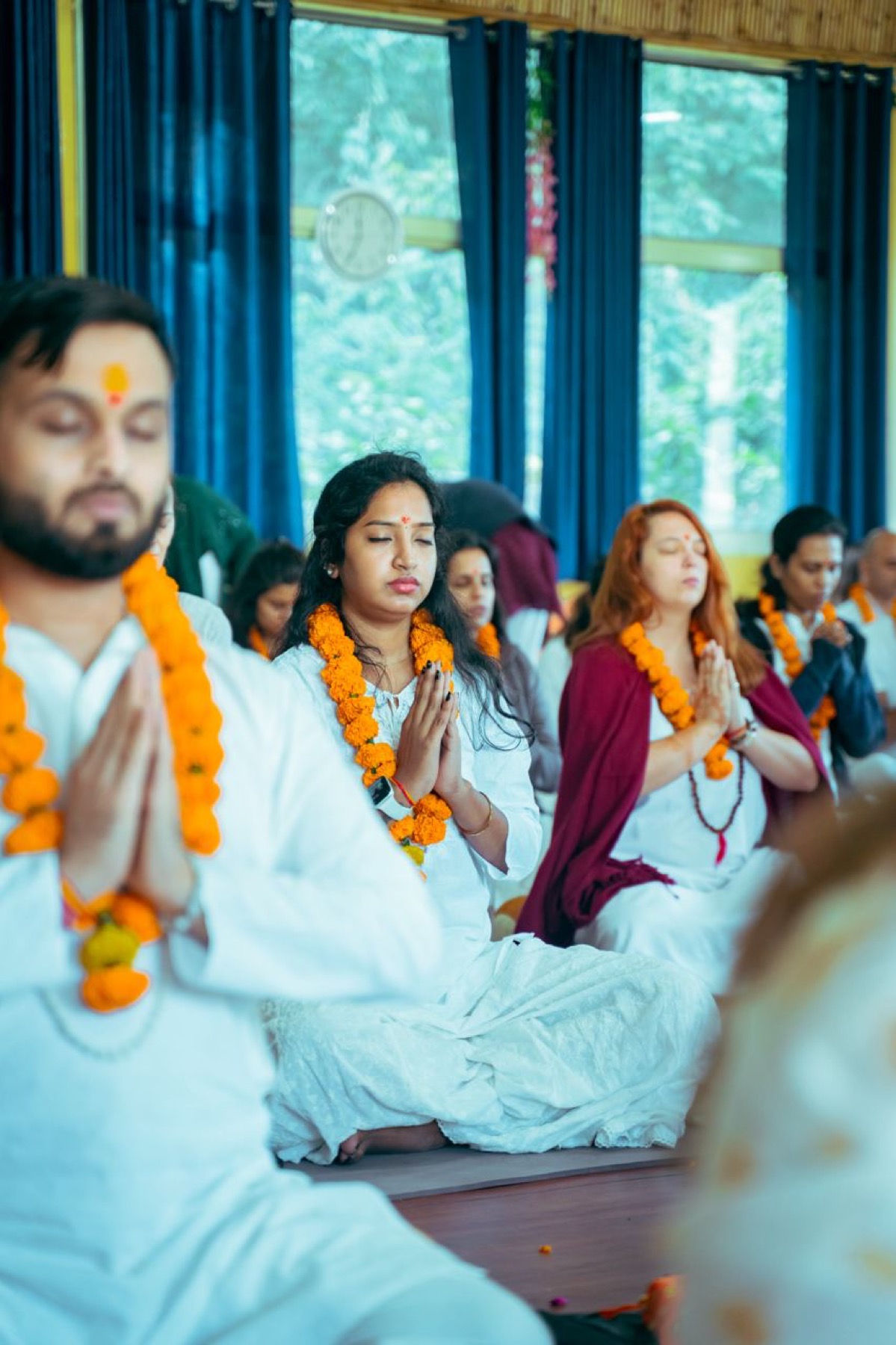
Indian Tantra. Shamanic Tantra. Secular Tantra. How do they differ?
For me, Tantra in its broadest sense concerns expansion: realising more of our potential, recognising the divine in ourselves and others, and moving through apparent dualities towards wholeness.
Indian Tantra
The phrase “authentic Tantra of ancient India” covers many different traditions. Tantra grew as an esoteric practice within the wider world of Hinduism, and no single branch can claim all authenticity.
Many traditions include meditation and work with the chakra system. I feel closest to Himalayan Tantra, which I studied in India. It works with Kundalini: the life force held within every person.
Shamanic Tantra
Shamanic Tantra also turns towards nature and ancient knowledge, using different methods. Indian Tantric practice may enter altered states through meditation, breath and mantra. Shamanic practice can use drumming, plants, the shared field and group energy. It often works consciously with earth, fire, air and water, although these elements also appear in Indian Tantra.
Secular Tantra
Secular Tantra has become a modern phenomenon. It offers a path for people drawn to Tantric states whose rational minds feel more at home with psychology than mysticism. The practices often carry more visible sexual energy and move quickly into partnered exploration.
Osho helped bring this approach to a wider public in the twentieth century. With every new generation of teachers, its connection to his original teaching can grow thinner. Skilled teachers still exist, of course.
From what I have seen, secular Tantra focuses on contact with ourselves and with another person. The ethics and depth of the experience depend greatly on the facilitator who holds it.