Breath and movement
to become more aware of your body and change your usual state.

Tantra is something you experience.
It can happen while sitting in meditation. While breathing, moving or dancing. While noticing a sensation in your body. While looking into another person's eyes. While giving or receiving touch. While feeling desire and staying present with it instead of immediately needing to do something about it.
Tantra brings attention to what is happening right now — in the body, in our emotions, in our sexuality and in the space between two people.
This is why it can be difficult to understand Tantra from a definition alone.
It makes much more sense when you experience it.

Yes — and no.
Tantra is much broader than sexuality. Its roots are found in Indian spiritual traditions that developed over many centuries and included meditation, ritual, philosophy, work with the body and different approaches to consciousness.
Sexuality became much more central in many modern schools of Tantra, especially in what is often called Neo-Tantra.
And there is something valuable in that.
Sexuality is one of the places where we can feel intensely alive. It brings us into contact with pleasure, desire, vulnerability, shame, attraction, control, surrender, intimacy and our relationship with our own bodies.
Tantric practice gives us a way to become curious about all of this.
Instead of treating sexuality only as something we do, we can explore what we actually feel.
How much pleasure can I notice?
What happens when I slow down?
Can I recognise desire before automatically acting on it?
Can I receive without immediately giving something back?
Can I communicate what I want?
Can I stay connected to myself while being very close to another person?
Sexuality becomes one doorway into a much larger exploration of being human.
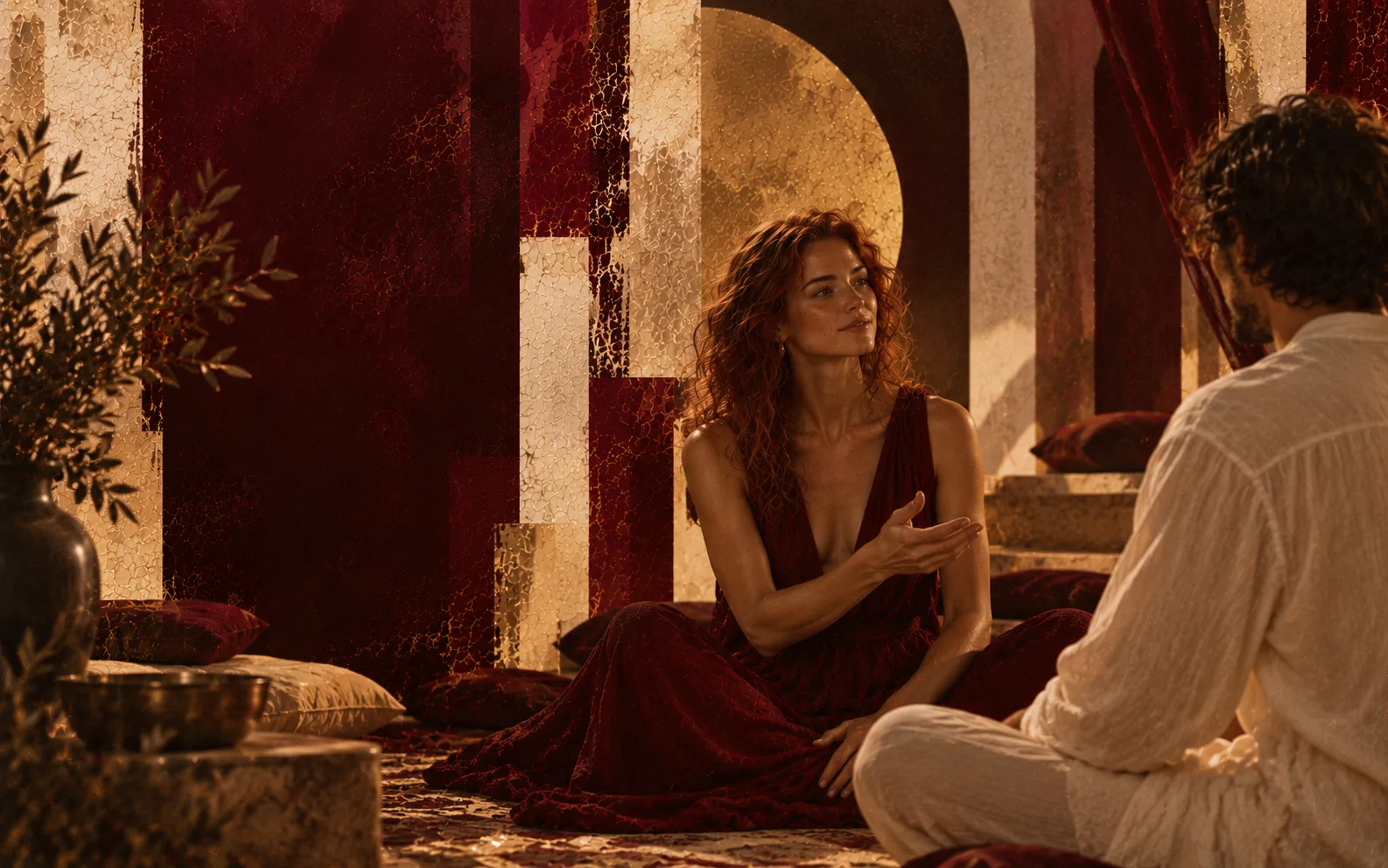
There is no single practice called “Tantra”.
Historical Tantra developed within Hindu and Buddhist traditions in India and included many different lineages, texts, rituals and philosophical systems. Much of it looked very different from what people today encounter at a Tantra workshop in Bali, Amsterdam or Mexico.
Modern Tantra has developed through a meeting of different worlds.
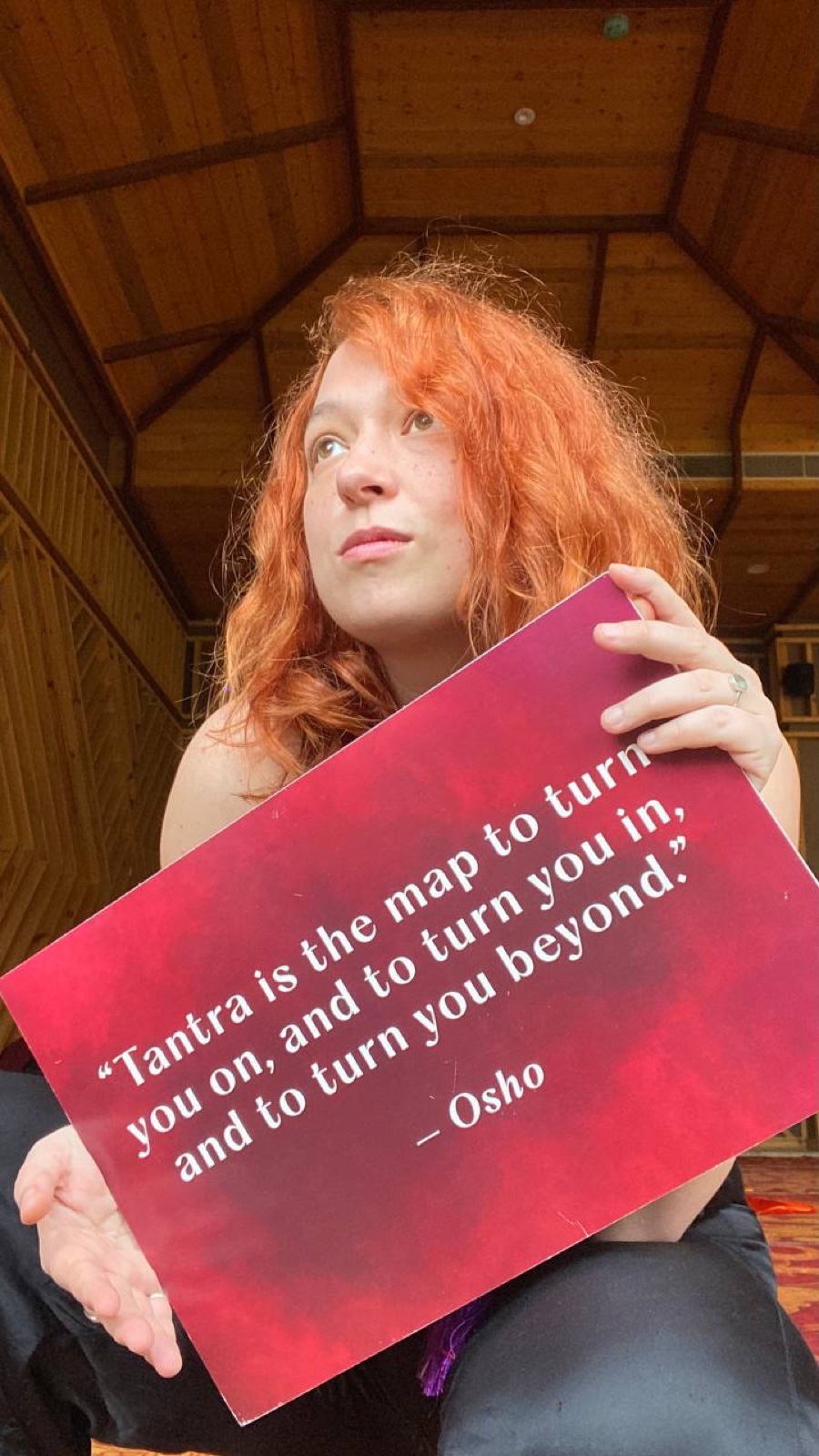
Traditional Indian practices have mixed with meditation, yoga, breathwork, psychology, somatic practices, conscious sexuality, relationship work and the influence of teachers such as Osho, who played an important role in bringing meditation, sexuality and embodied spirituality into the Western counterculture of the twentieth century.
Today, international Tantra has become its own living field.
You can find Tantra schools, festivals, retreats, Temples and communities across India, Bali, Thailand, Mexico, Portugal, Spain, the Netherlands and the United States.
People travel between them. Teachers learn from different traditions. Practices evolve.
This is the international Tantra culture we are bringing to Belgrade.
Not as an attempt to recreate ancient India, and not as a rigid spiritual system.
As a contemporary embodied practice where meditation can meet sexuality, psychology can meet ritual, and profound experiences can coexist with play, pleasure and very human curiosity.
There is no single Tantra exercise.
A practice can be completely individual or happen between two people. It can be quiet and meditative or energetic and playful.
You might work with:
to become more aware of your body and change your usual state.
from still practices to active and dynamic meditation.
to explore what happens when we really stay with another person.
from simple conscious contact to sensual and intimate bodywork.
learning to notice your own yes and no, express what you want and listen to another person.
exploring arousal and sensation without immediately turning them into a goal.
using intention, attention and symbolic actions to make an experience different from everyday life.
Some practices last five minutes. Others can become an entire evening.
The technique changes.
The attention is what connects them.
There are many reasons.
Some people come because they want to explore their sexuality and discover more pleasure.
Some want to feel more at home in their bodies, become more sensitive to sensation or learn to receive.
For others, Tantra becomes a way to explore intimacy: eye contact, vulnerability, attraction, boundaries, communication and the strange experience of being genuinely seen by another person.
Couples often come because they want to bring curiosity back into a relationship that has become familiar. To discover new ways of touching each other, talk more openly about desire, create more erotic space or simply spend time meeting each other outside their everyday roles.
And some people are interested in meditation, consciousness and the spiritual side of Tantra.
These motivations can exist together.
You can come for sexuality and discover meditation.
You can come for meditation and become fascinated by intimacy.
You can come for your relationship and discover something about yourself.
Individual Tantra sessions give you more time and privacy to explore a particular intention.
We can work with meditation, breath, movement, sensuality, boundaries, emotional awareness, sexual energy and different Tantric rituals.
Individual work can also take the form of Tantric Massage — slow, full-body sensual bodywork where the emphasis moves from doing to receiving.
Sessions are available for women, men and couples, with the practices adapted to the person or relationship rather than following the same programme for everyone.
Group Tantra has a completely different quality.
Here we can explore how we relate: how quickly we connect, what creates attraction, how we express boundaries, what happens when someone looks at us for longer than usual, how comfortable we are initiating contact or receiving attention.
Some group experiences are structured workshops where everyone moves through a sequence of guided practices.
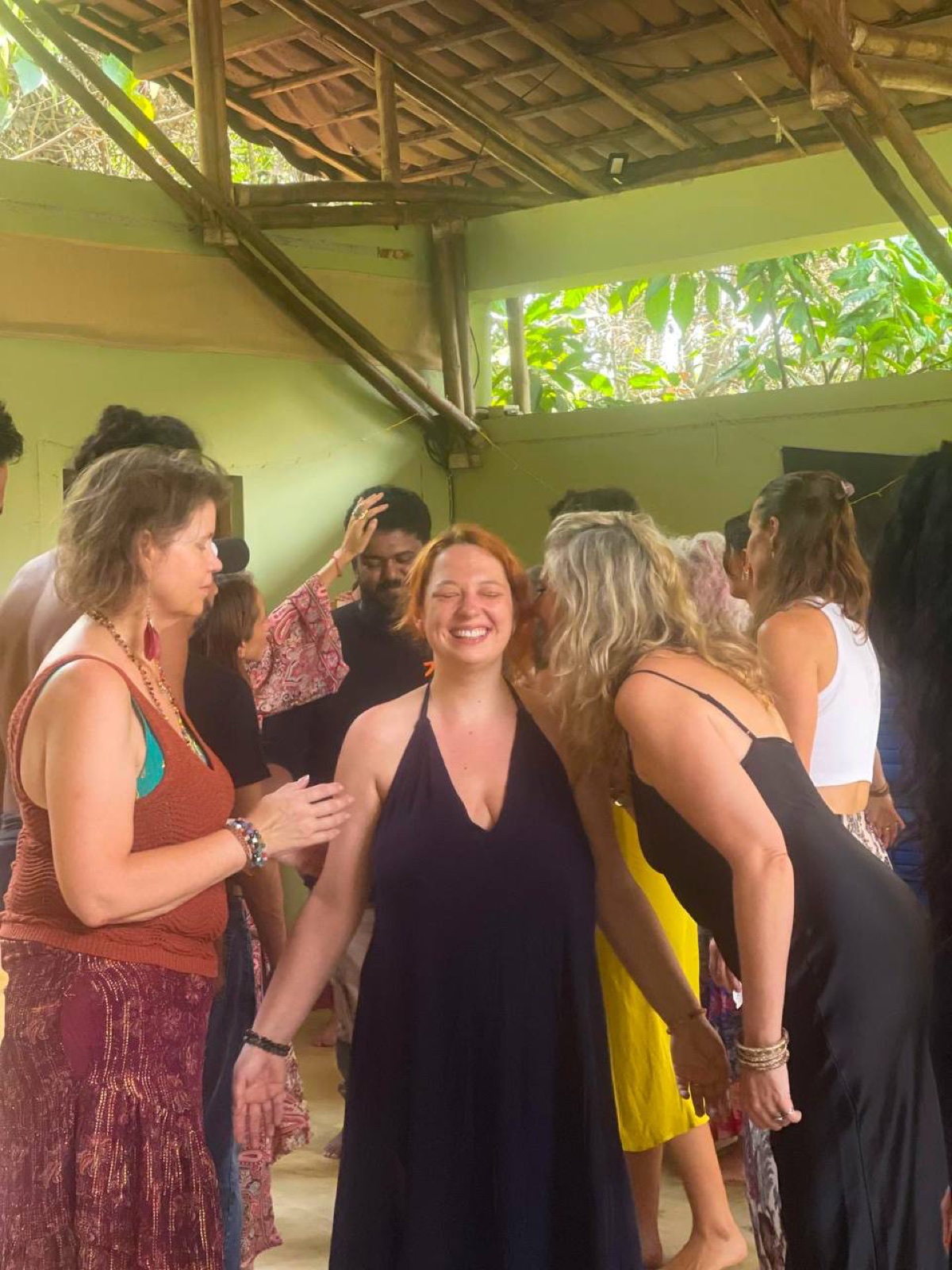
Others, like our Temple Nights in Belgrade, begin with facilitated practices and gradually open into a freer space for connection, sensuality and exploration.
You always remain the person deciding what you participate in and with whom.
A relationship gives us something beautiful: familiarity.
We learn each other's bodies, habits, expressions and ways of loving.
But familiarity can also make us stop looking.
Tantra gives couples ways to become curious about each other again.
Through eye contact, touch, communication, meditation, sensual practices and Tantric Massage, couples can explore different ways of giving and receiving, talk more openly about desire and create experiences that don't follow the same familiar route.
Sometimes the exploration is tender and connecting.
Sometimes it brings more play and erotic energy.
Often it is both.
Our workshops focus on a particular part of Tantric practice and give you time to explore it properly.
You might learn Tantric Massage, explore conscious touch, work with intimacy and communication, or discover practices you can continue using in your relationships and everyday life.
The idea is simple: you leave with something more than an interesting evening.
You leave knowing something through your own body.
Tantra communities already exist in many places around the world.
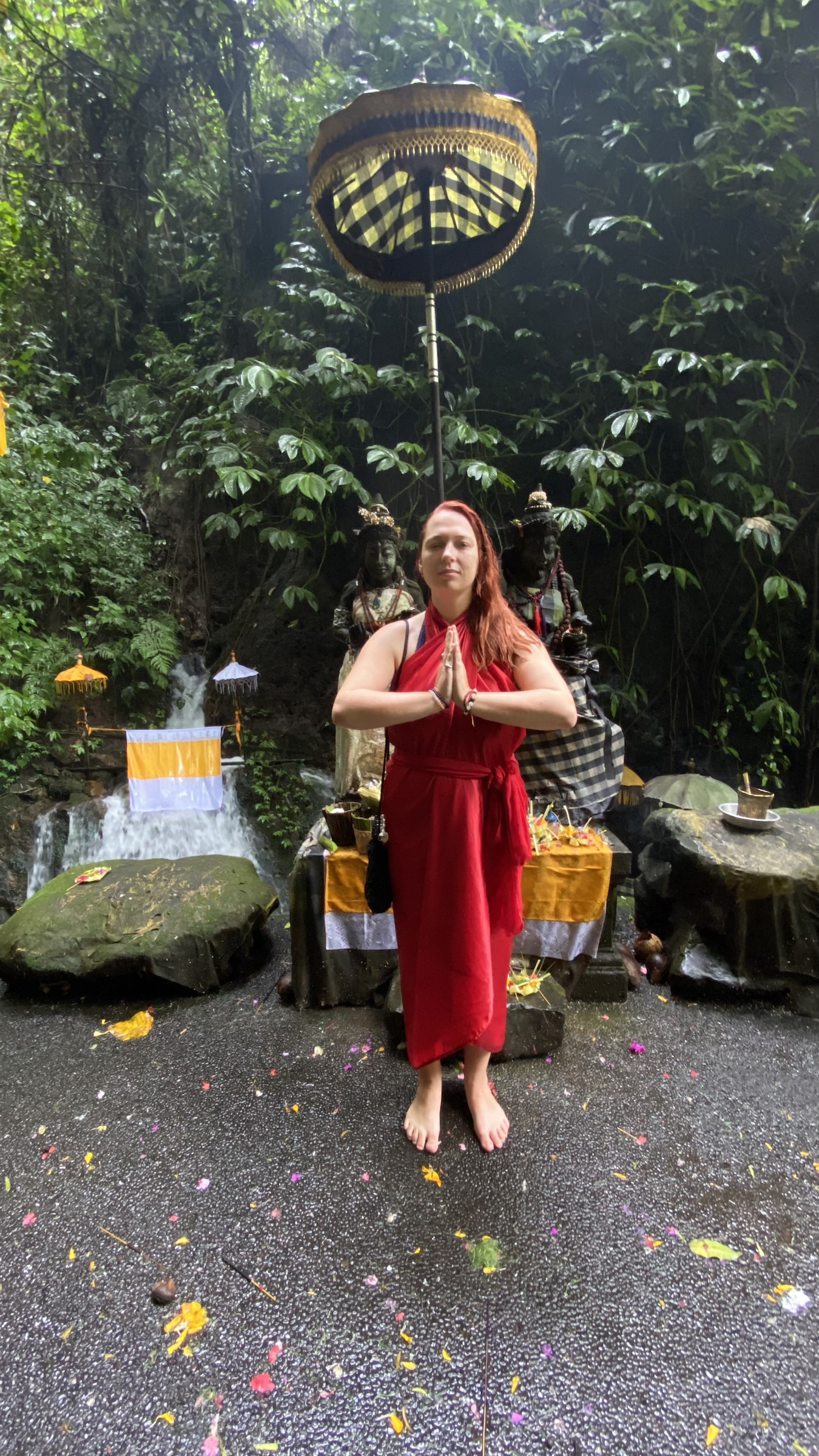
On Bali, it is easy to find a Tantra workshop or Temple Night alongside yoga and embodiment practices. International Tantra schools hold trainings and festivals in India and the Netherlands. Retreat communities have developed across Thailand, Mexico, Portugal, Spain and the United States.
Belgrade is only beginning to develop this kind of scene.
Tantra in Belgrade brings practices, formats and culture from this international community into a local space.
And a community where people interested in sexuality, embodiment, intimacy and conscious relating can find each other.
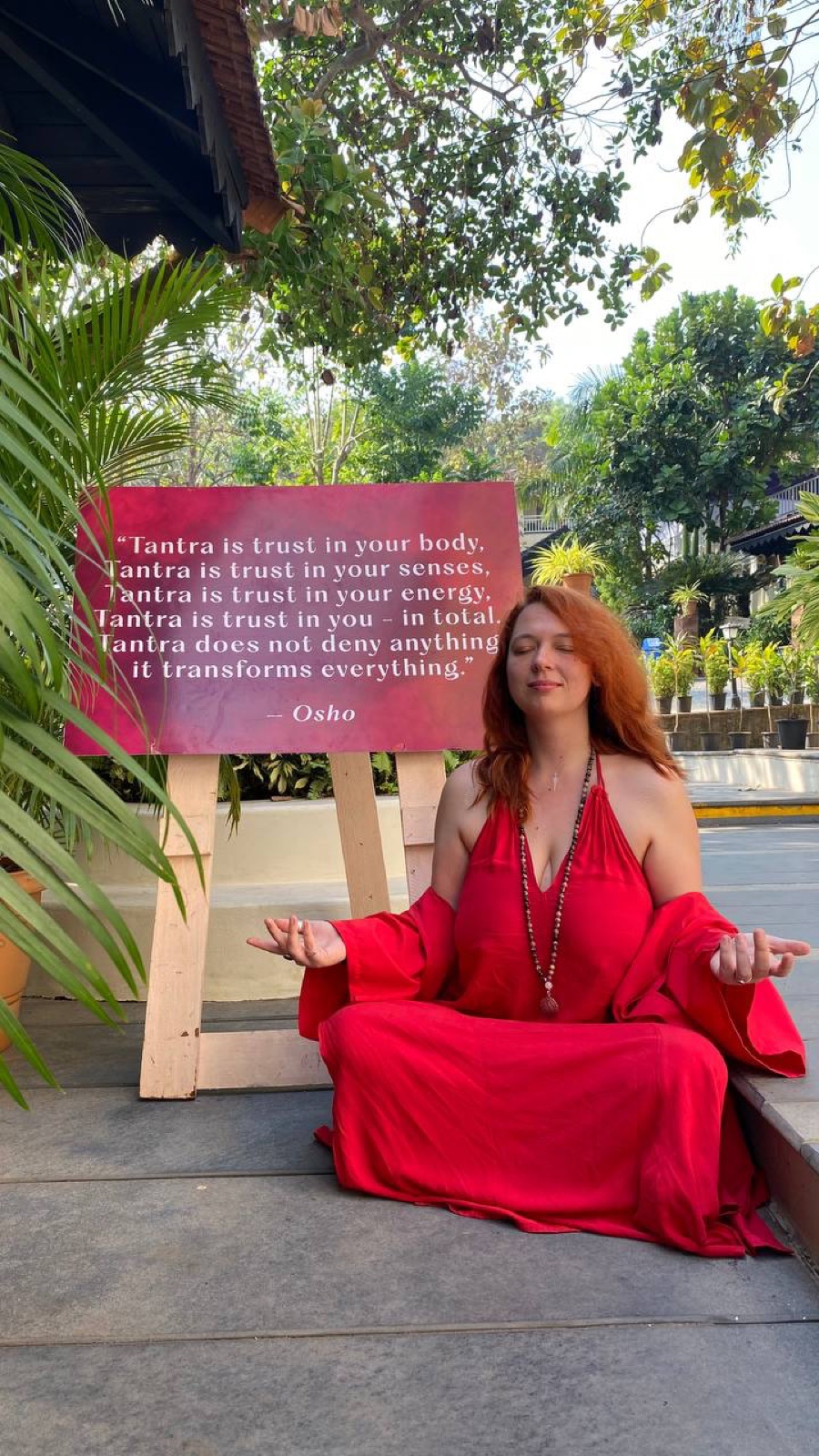
I'm a Tantra teacher and psychologist, and the person behind Tantra in Belgrade.
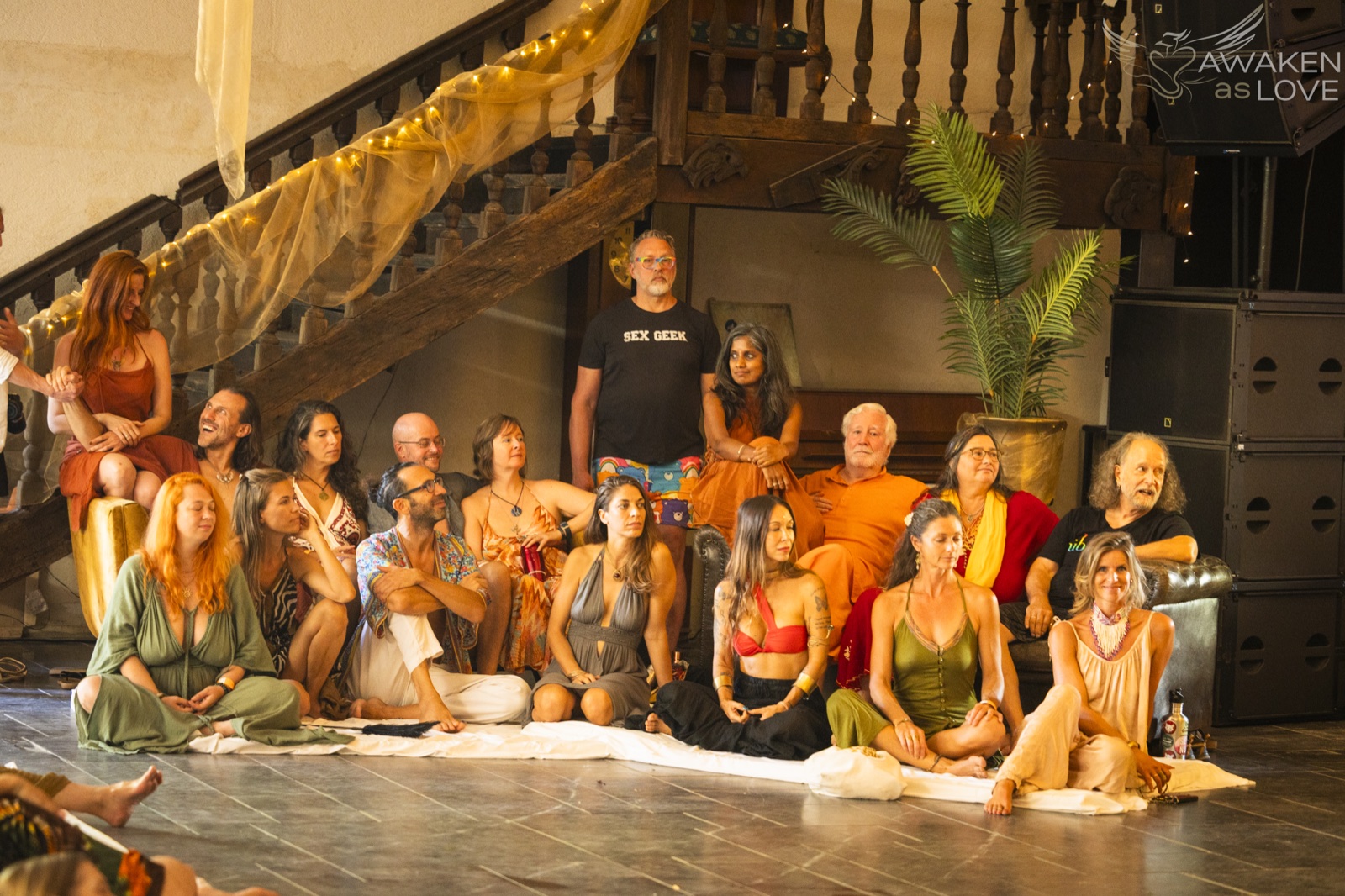
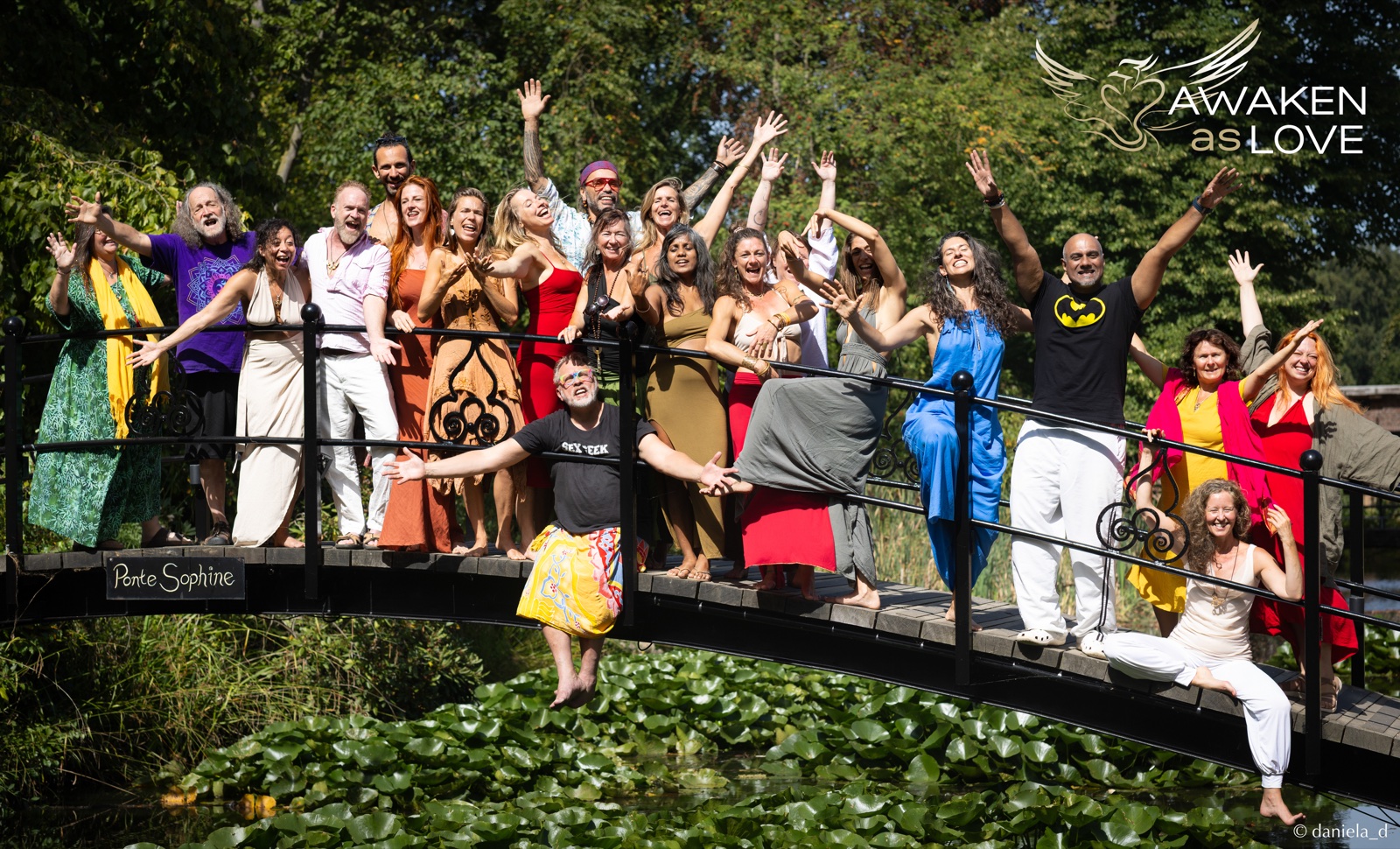
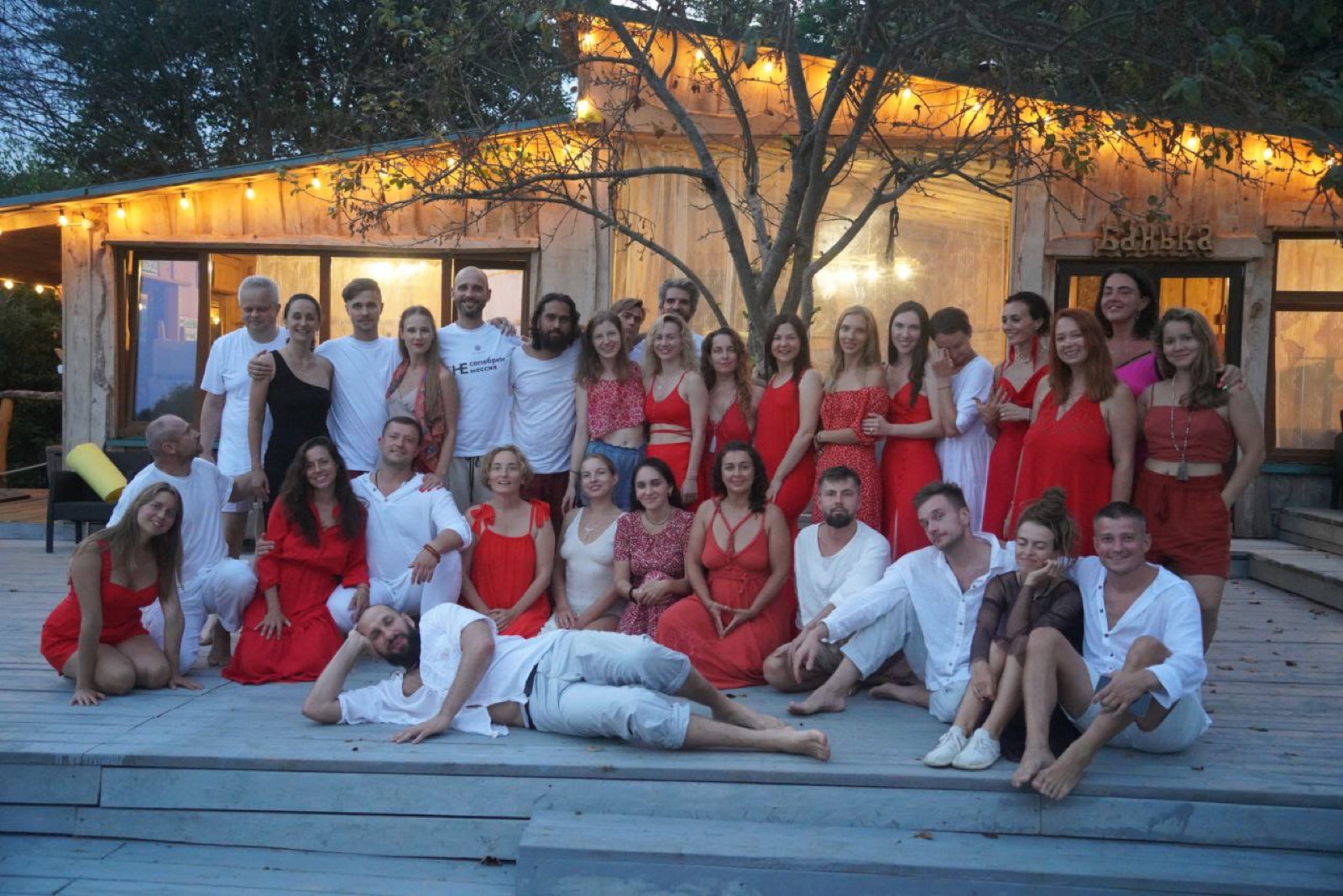
I am part of the team of Awaken as Love, an international Tantra school whose trainings and festivals I have been attending since 2024 in India and the Netherlands — first as a participant and later as a Love Angel and Session Giver.
I first encountered Tantra around five years ago, during a period when I was exploring different spiritual traditions and trying to understand what actually felt meaningful to me.
Someone described Tantra to me as “a path of awareness through sexuality.”
That was enough to get my attention.
Then I went to my first Tantra workshop in Bali.
Something clicked.
What began as curiosity about sexuality gradually became a much bigger exploration of the body, sensitivity, pleasure, meditation, relationships and what it means to actually be present with another person.
Tantra changed the way I experience my own sexuality, but it also changed things that seemed completely unrelated to sex.
It taught me to relax more deeply.
To notice much more through my body.
To look into another person's eyes and stay there.
To receive.
To recognise different parts of myself instead of trying to become one consistent version of a woman.
And eventually, I wanted to learn how to create these experiences for other people.
My approach hasn't come from one teacher or one school.
For the last several years, I've been learning from international Tantra communities in India, Bali and Europe, alongside my work and education in psychology.
Their approach is called Universal Tantra.
What I value in it is the meeting of different traditions: Tantra, embodiment, meditation, shamanic practices and Integral Theory brought into a format designed for contemporary people rather than copied from another historical context.
It has strongly influenced the way I think about group experiences, community and Tantra as something larger than sexuality alone.
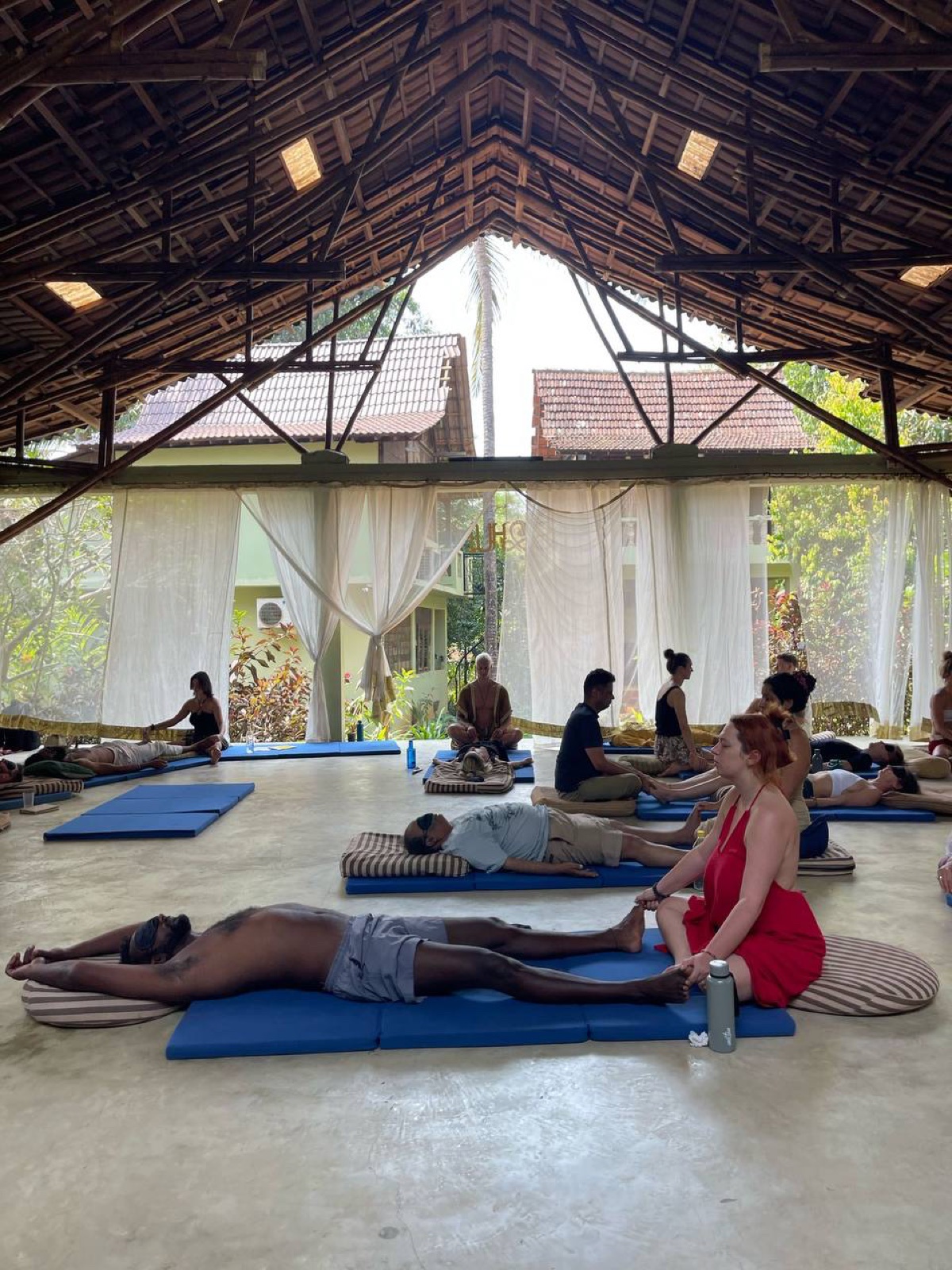
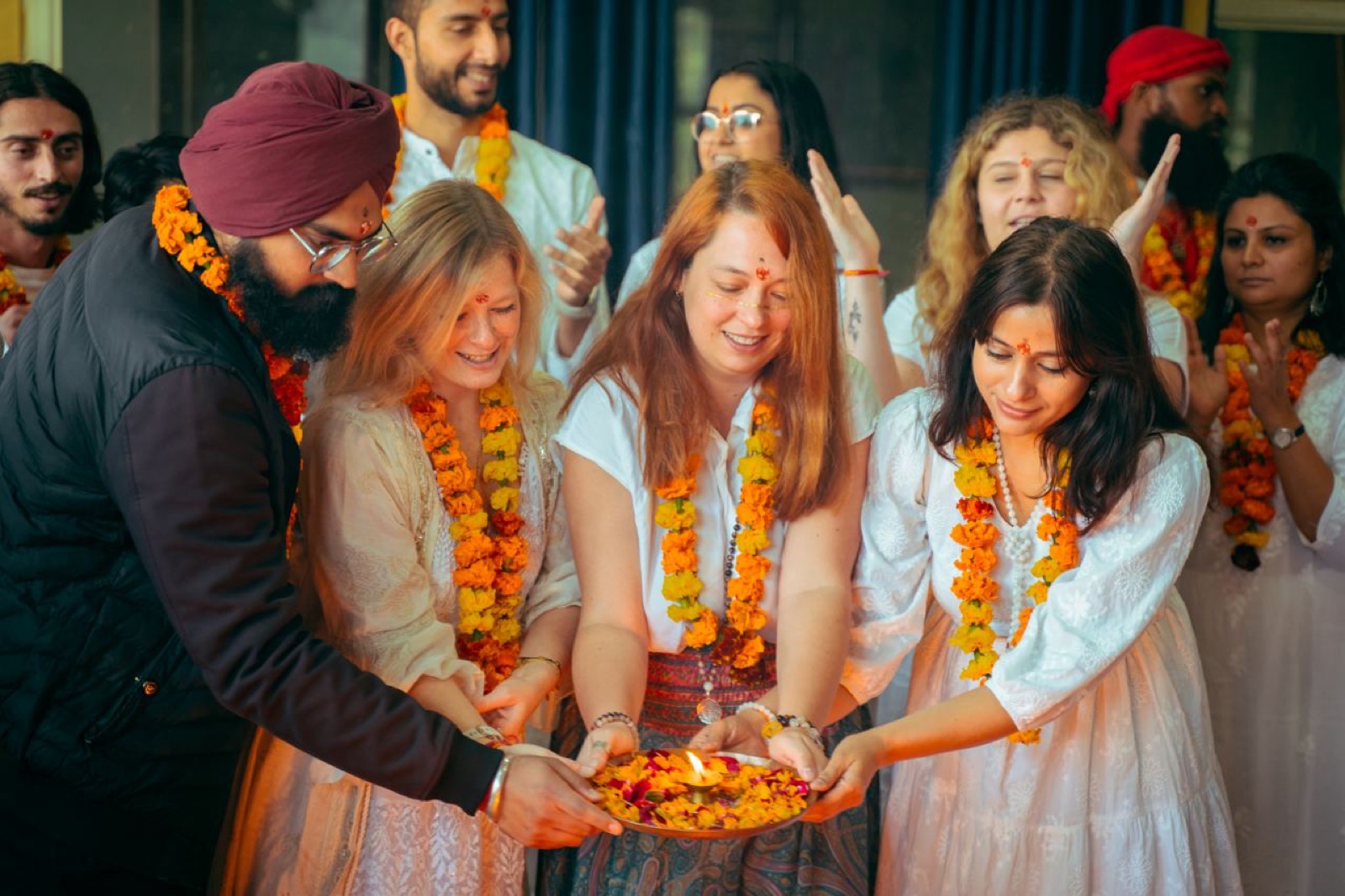
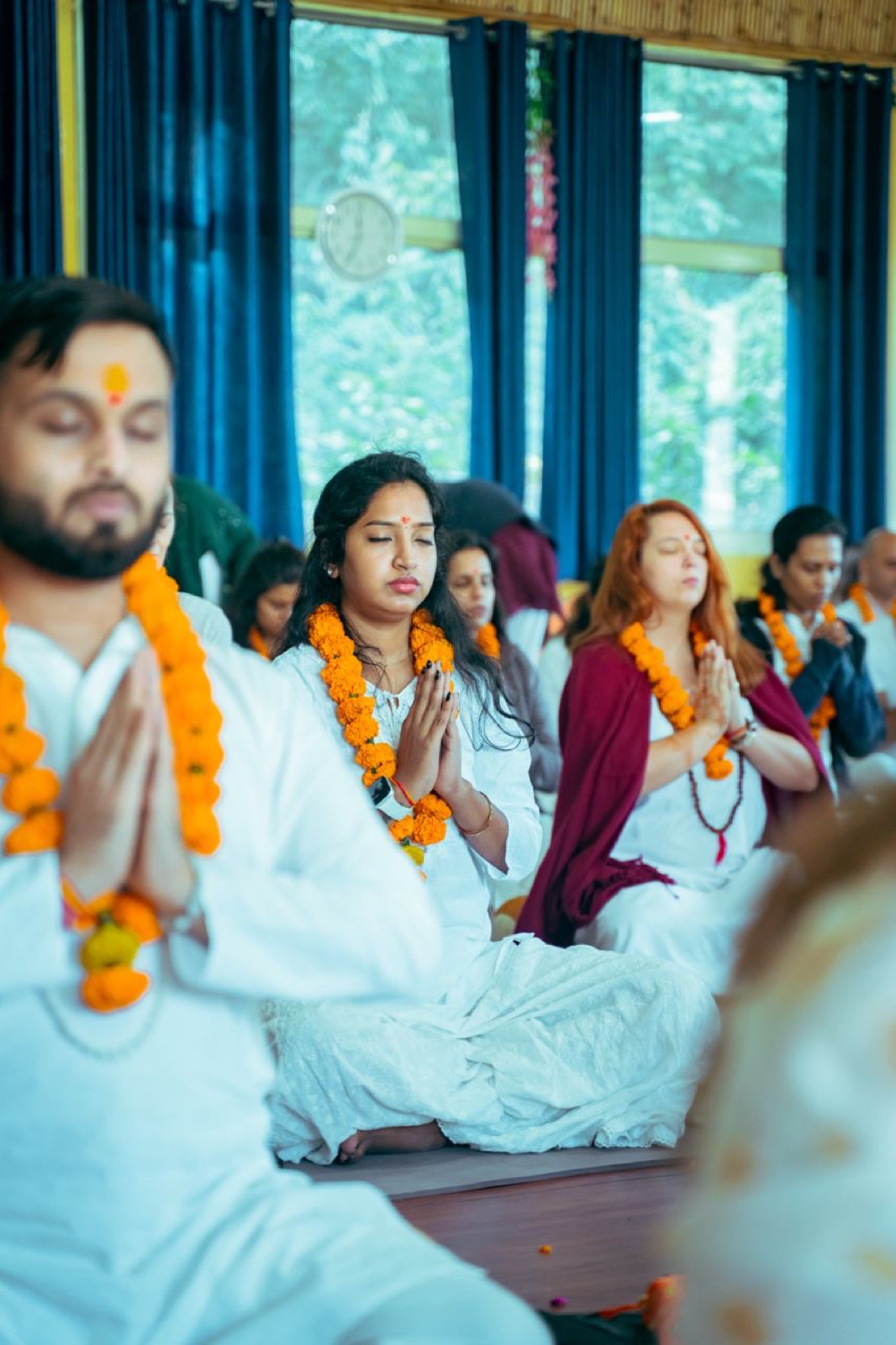
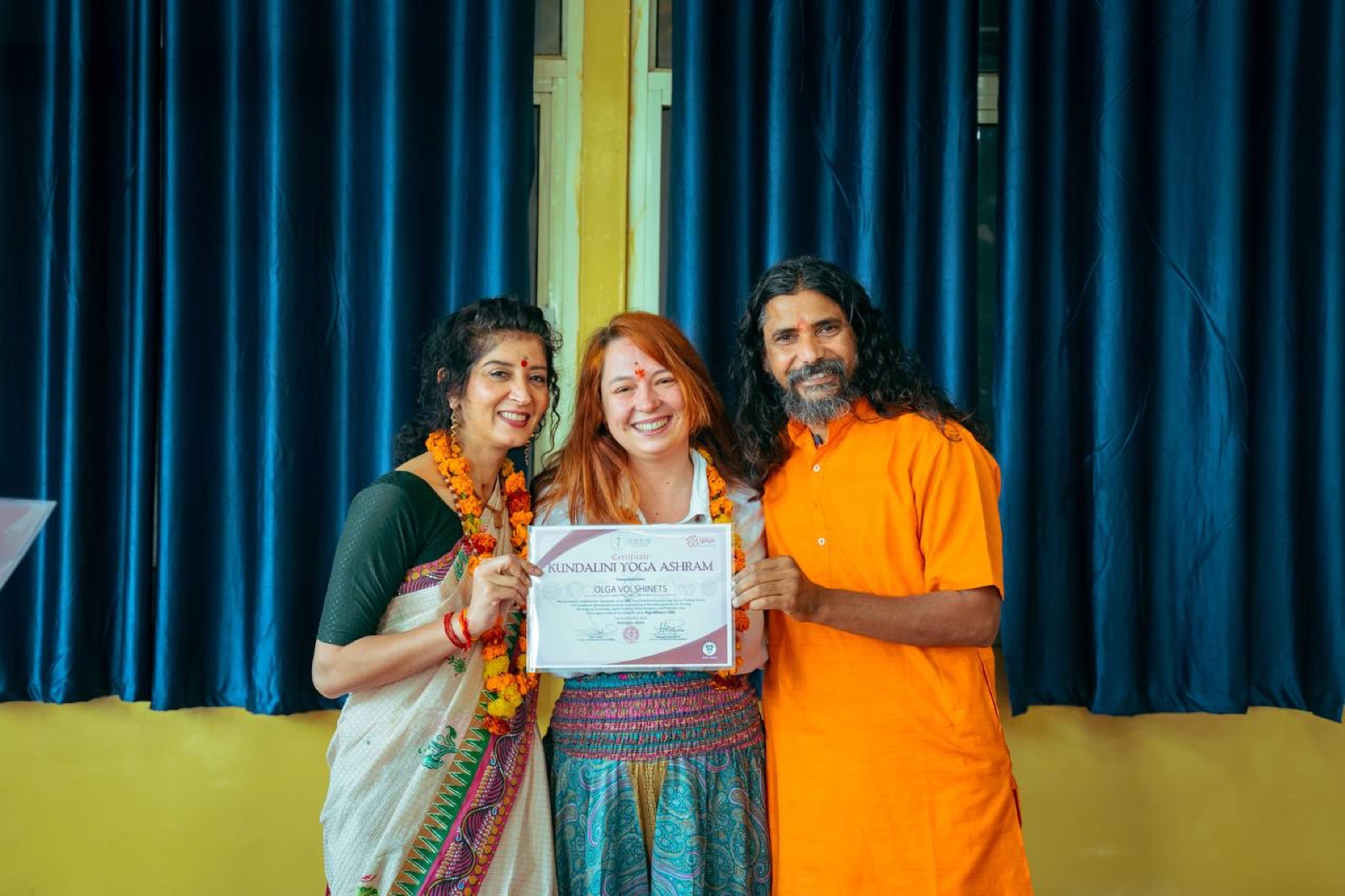
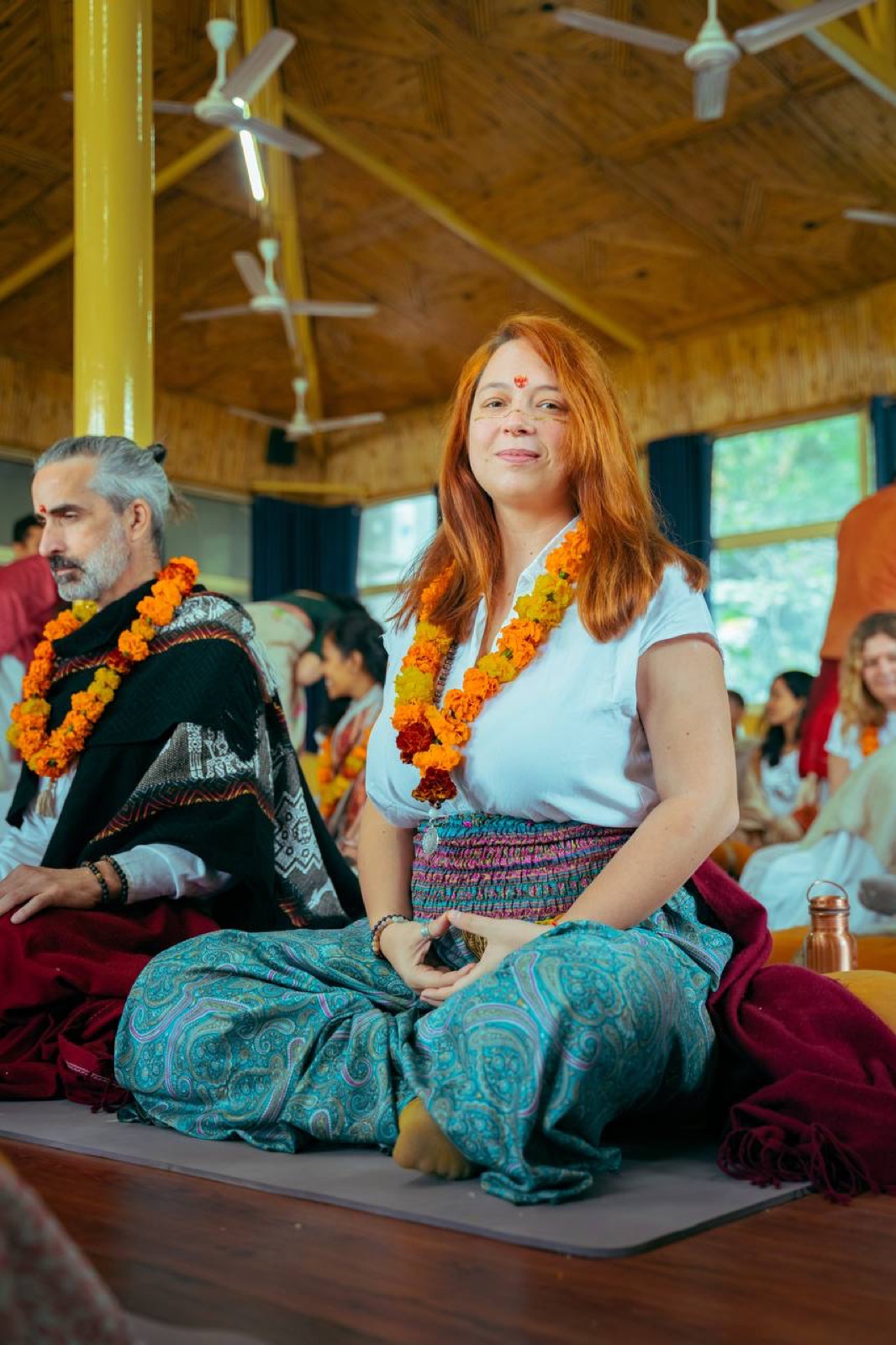
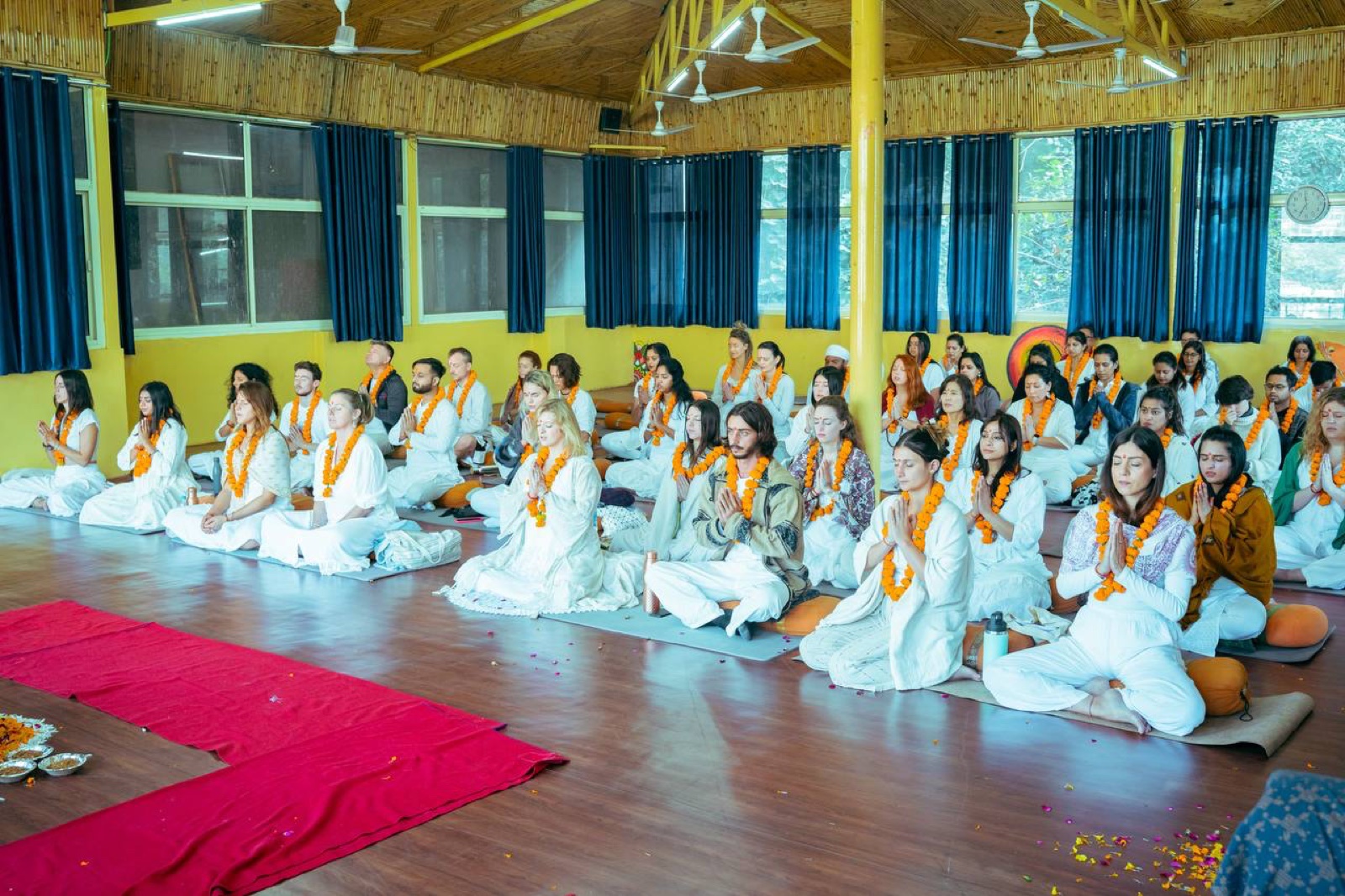
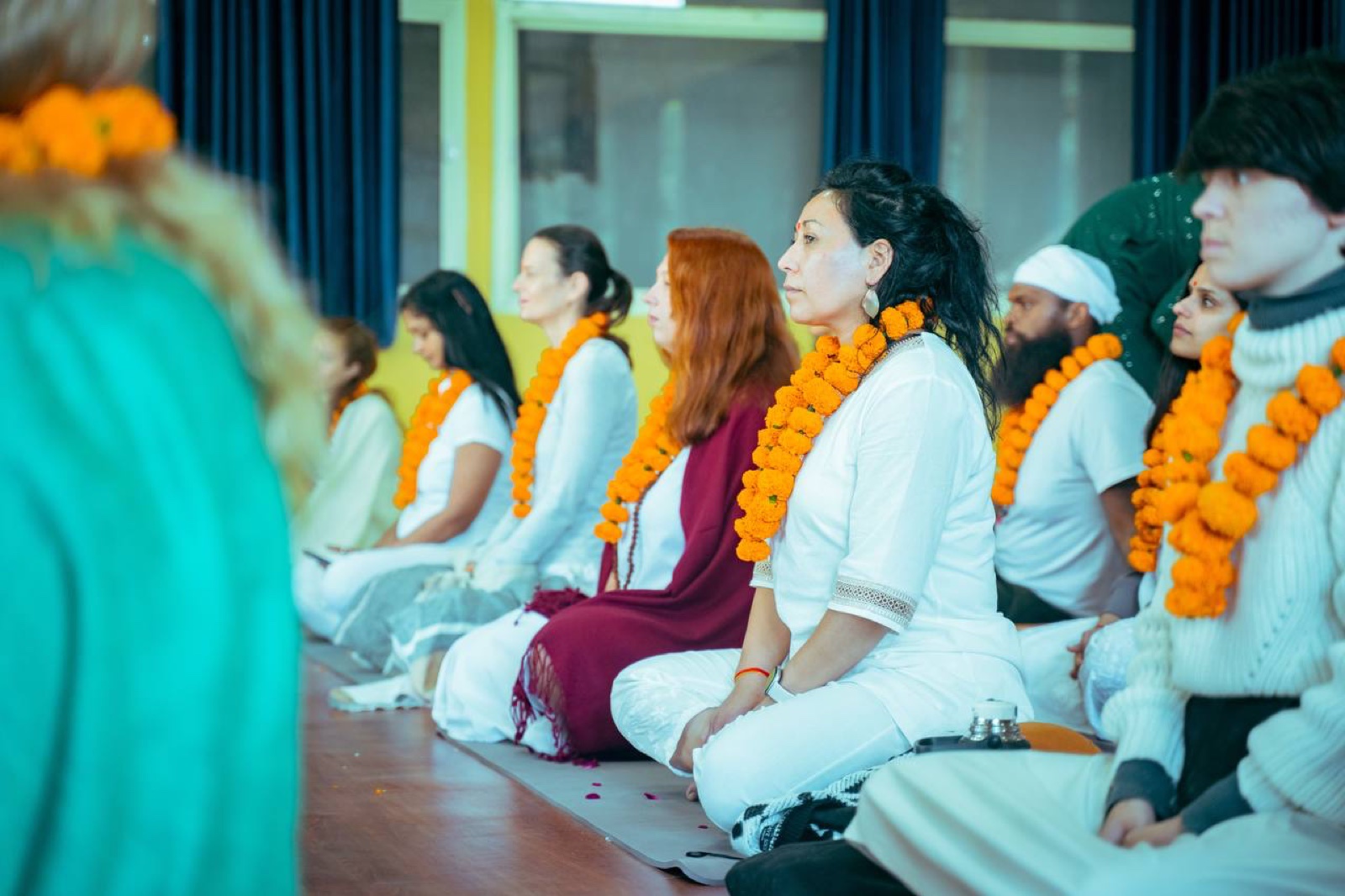
In 2023, I spent a month training as a Kundalini Yoga and Tantra teacher at Kundalini Yoga Ashram in Rishikesh, at the foothills of the Himalayas.
There I studied meditation, yoga, breathwork, Tantric philosophy and traditional approaches to working with awareness and the body.
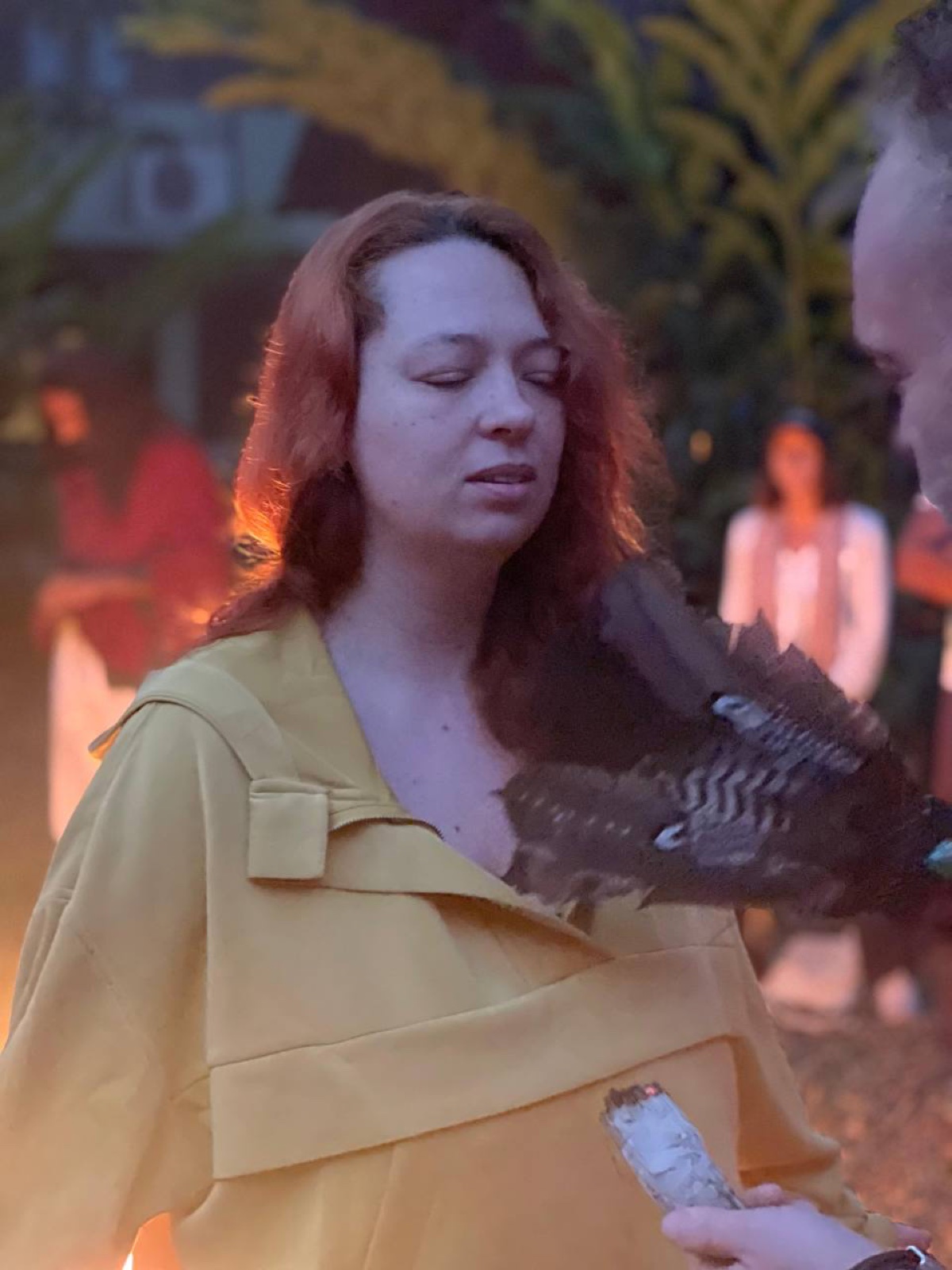
During this training I also received Shaktipat initiation within a Himalayan spiritual tradition.
This part of my education gave me direct contact with the more traditional and spiritual side of Tantra — something quite different from the modern Tantra spaces I had experienced in Bali.
Later that year, I trained in Osho dynamic meditation at the Osho International Meditation Resort in Pune.
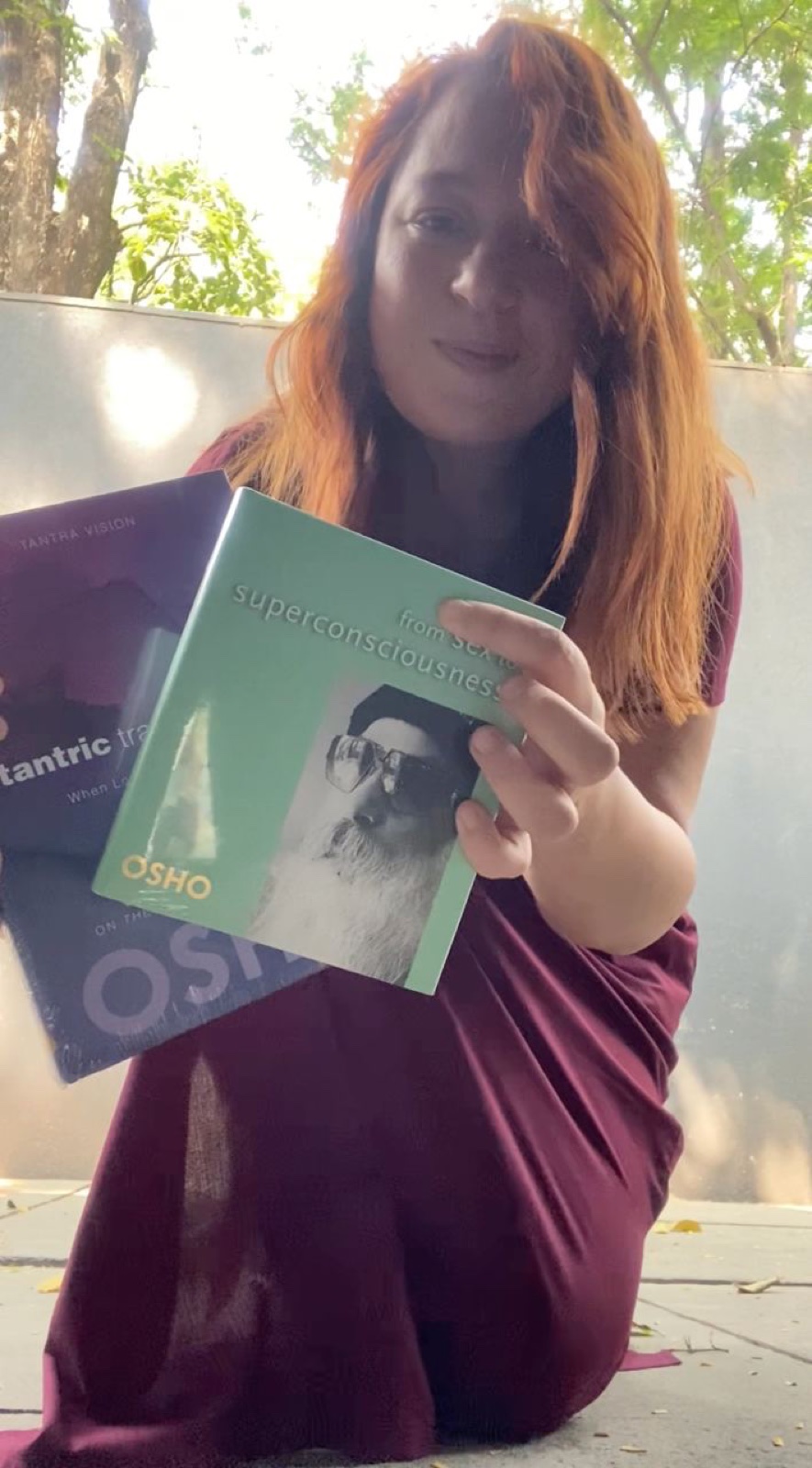
Osho's work became one of the major influences on modern Western Tantra: bringing together Eastern meditation with a very contemporary interest in the body, emotion, sexuality and freedom from social conditioning.
In Pune, I experienced this tradition from the inside — including its active meditation practices, where silence might come after movement, shaking, dancing, breathing or emotional expression rather than before it.
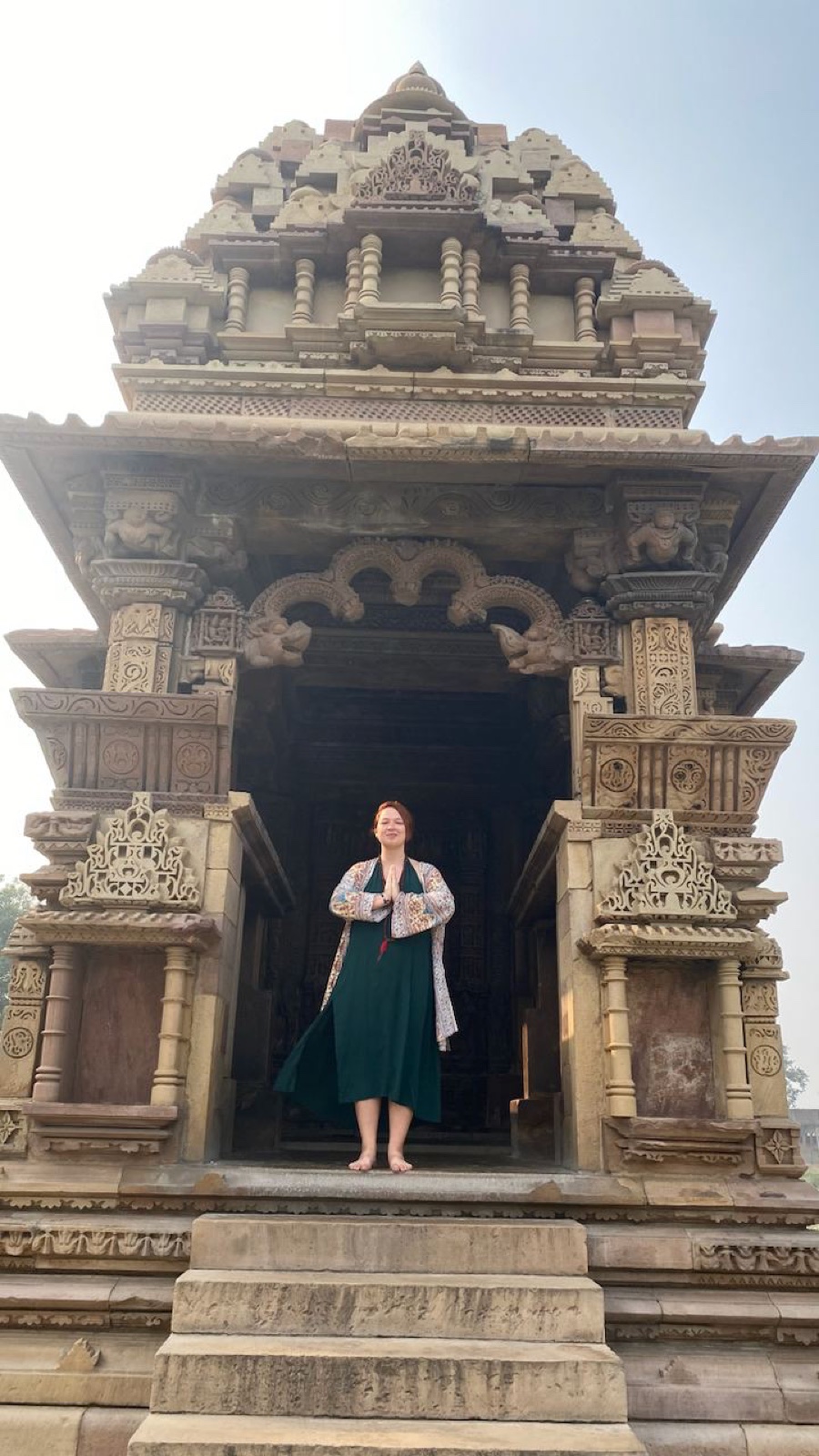
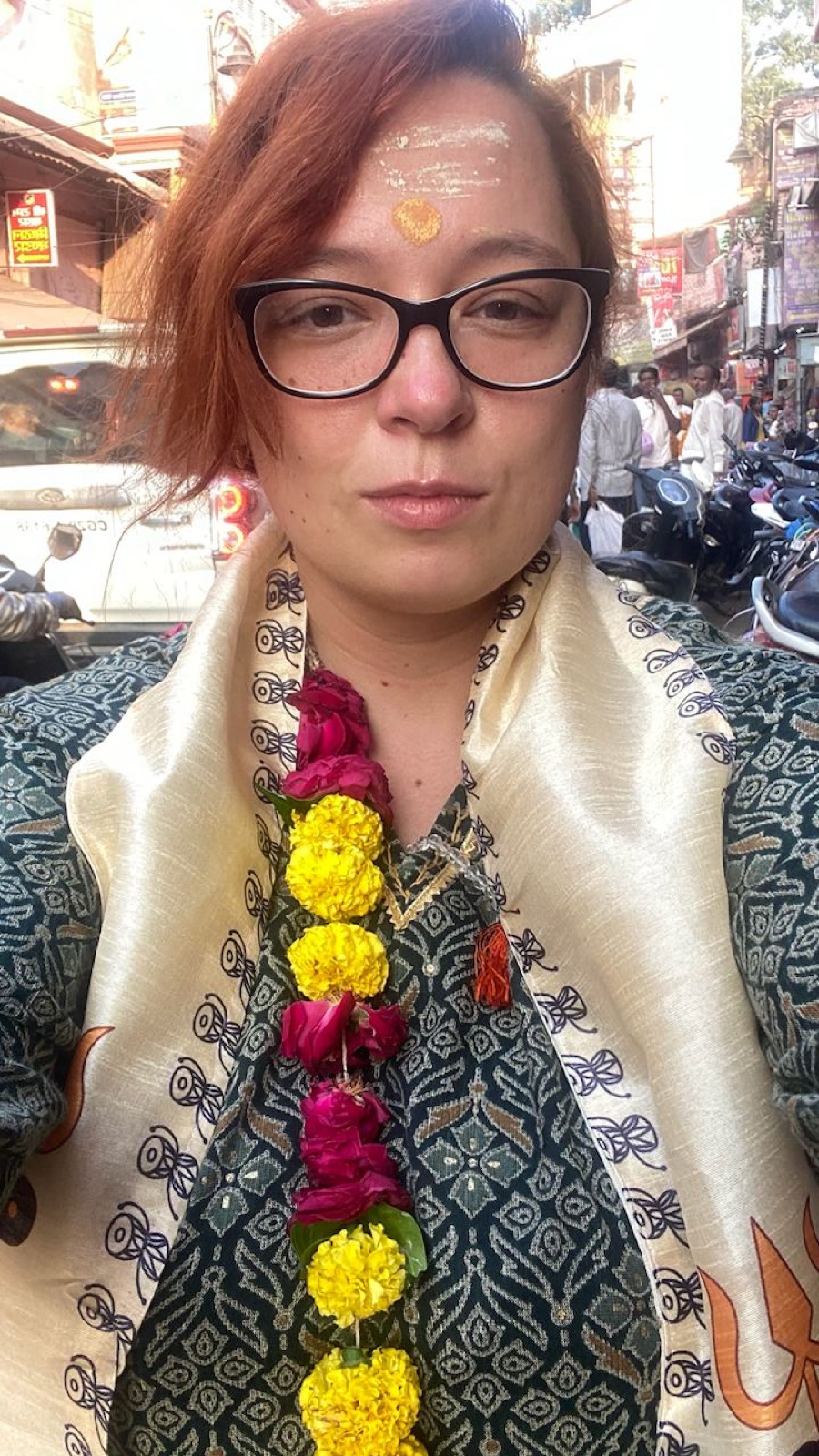
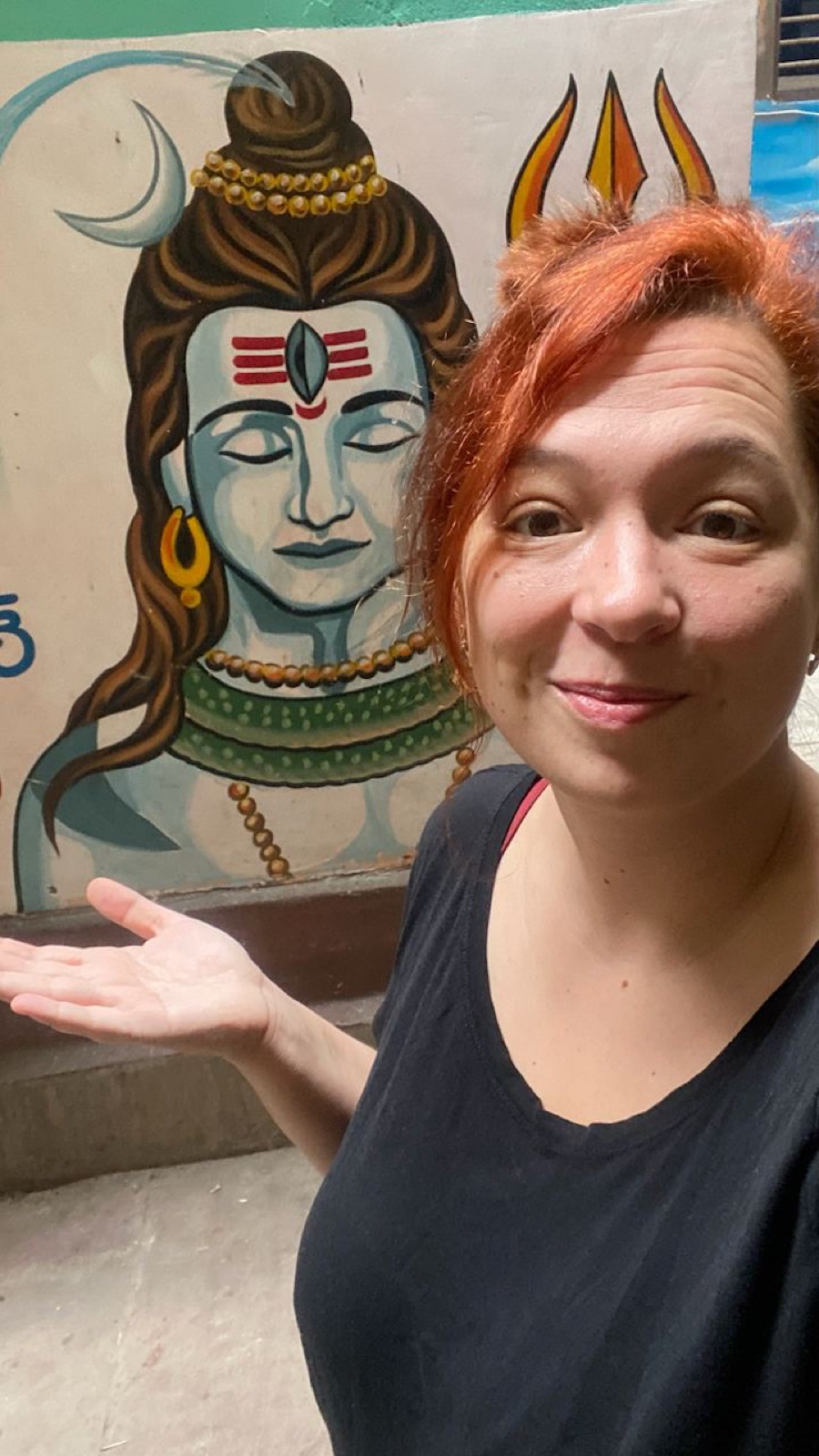
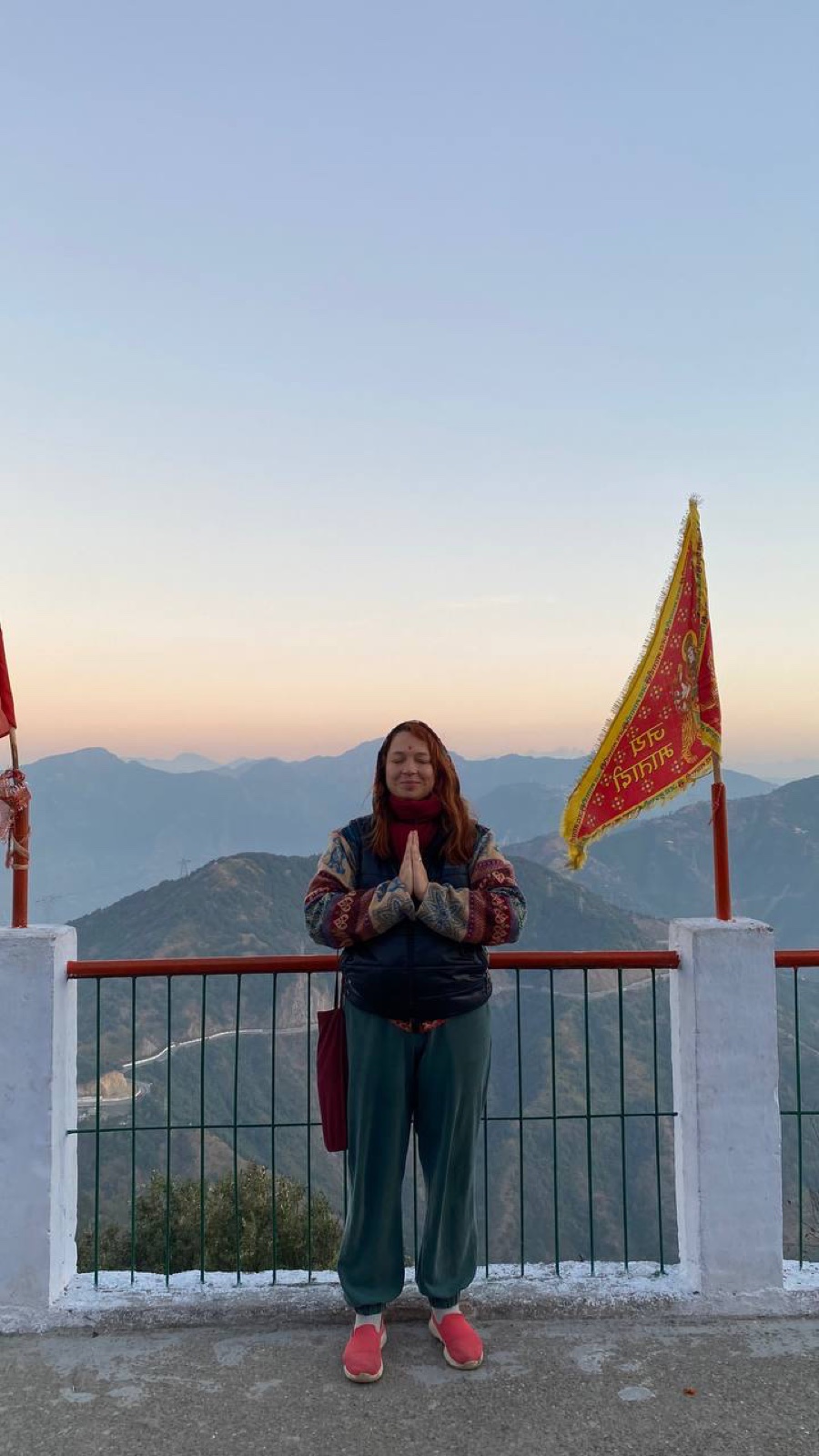
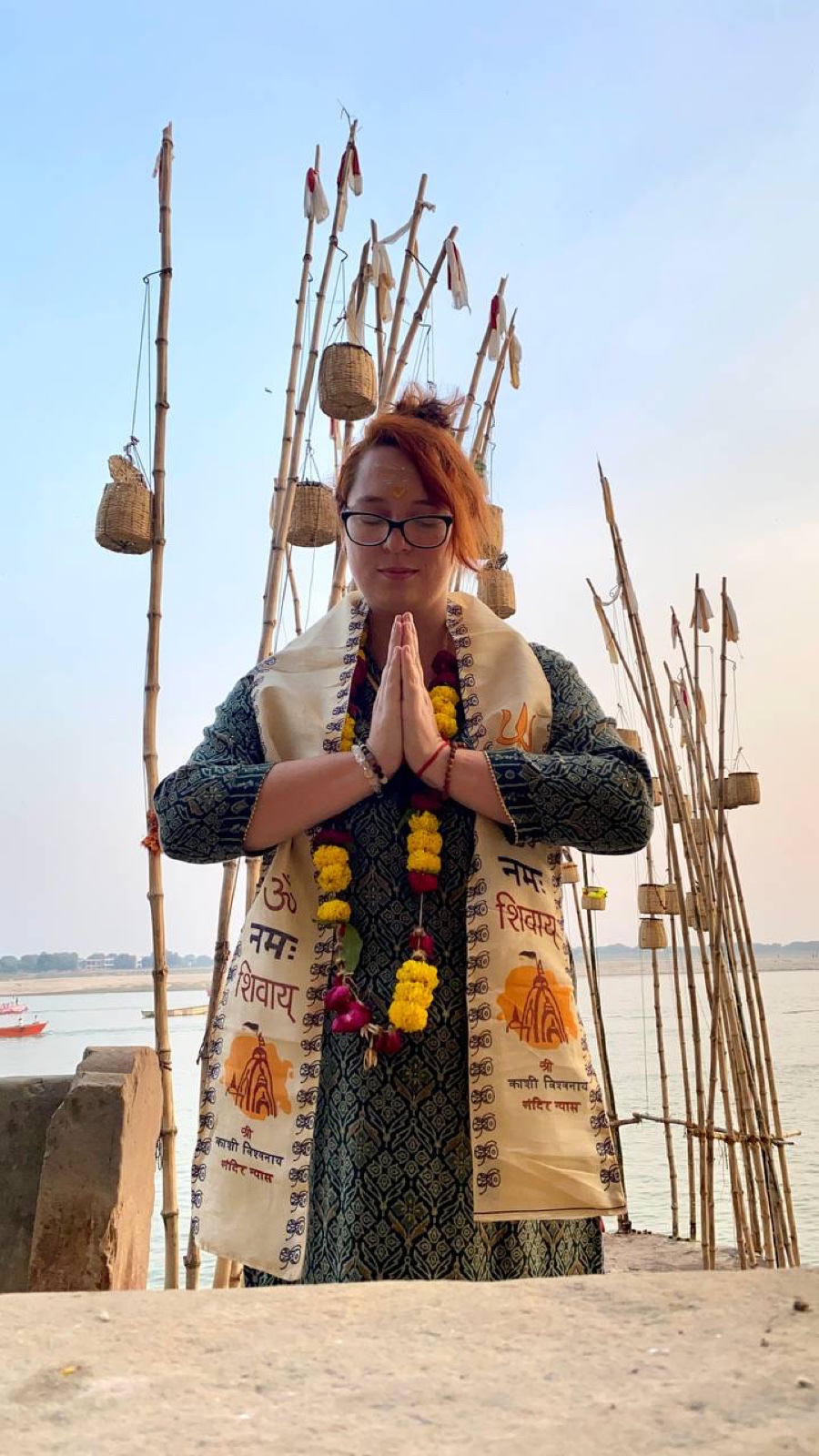
I later completed a Tantra facilitator training with Anastasia Hagras and continued studying through workshops, trainings, Temple Nights and festivals with international teachers, particularly in Bali and India.
The result is that I don't experience a contradiction between traditional and modern Tantra.
I value both.
The traditional practices give us meditation, attention, ritual and a much larger philosophical context.
Modern Tantra gives us a language for sexuality, relationships, psychology, boundaries and the realities of contemporary life.
My work lives somewhere between them.
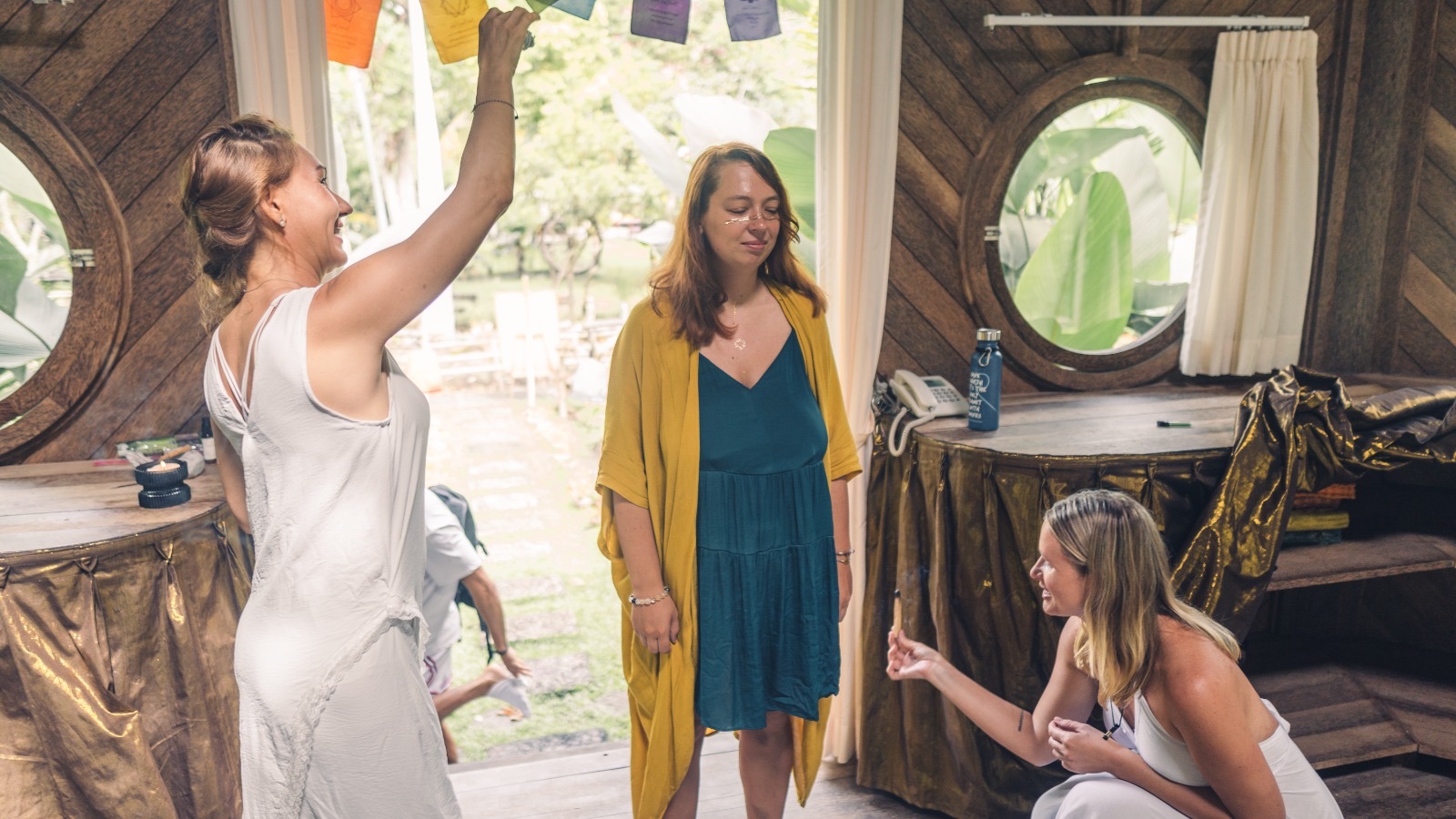
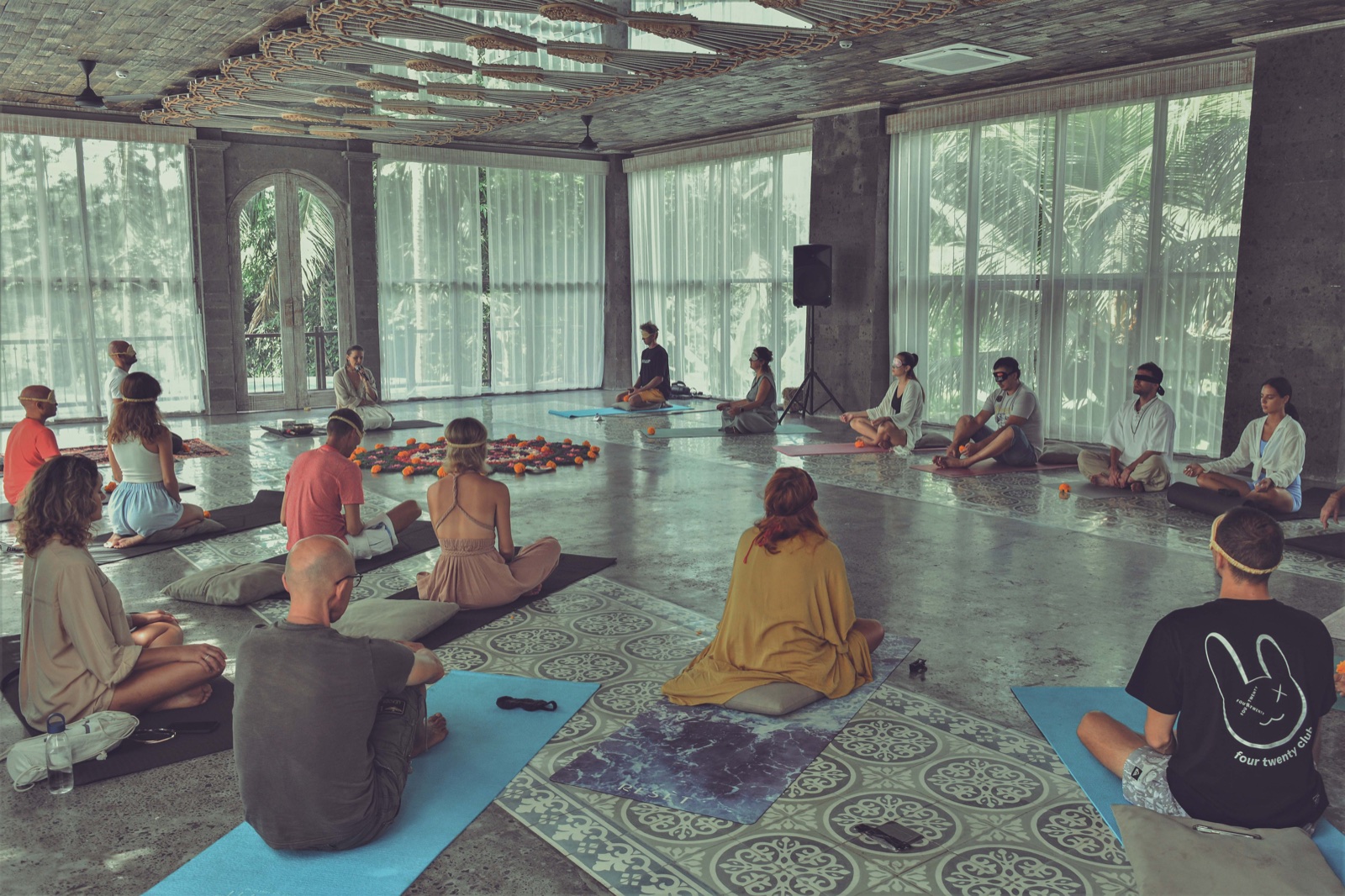
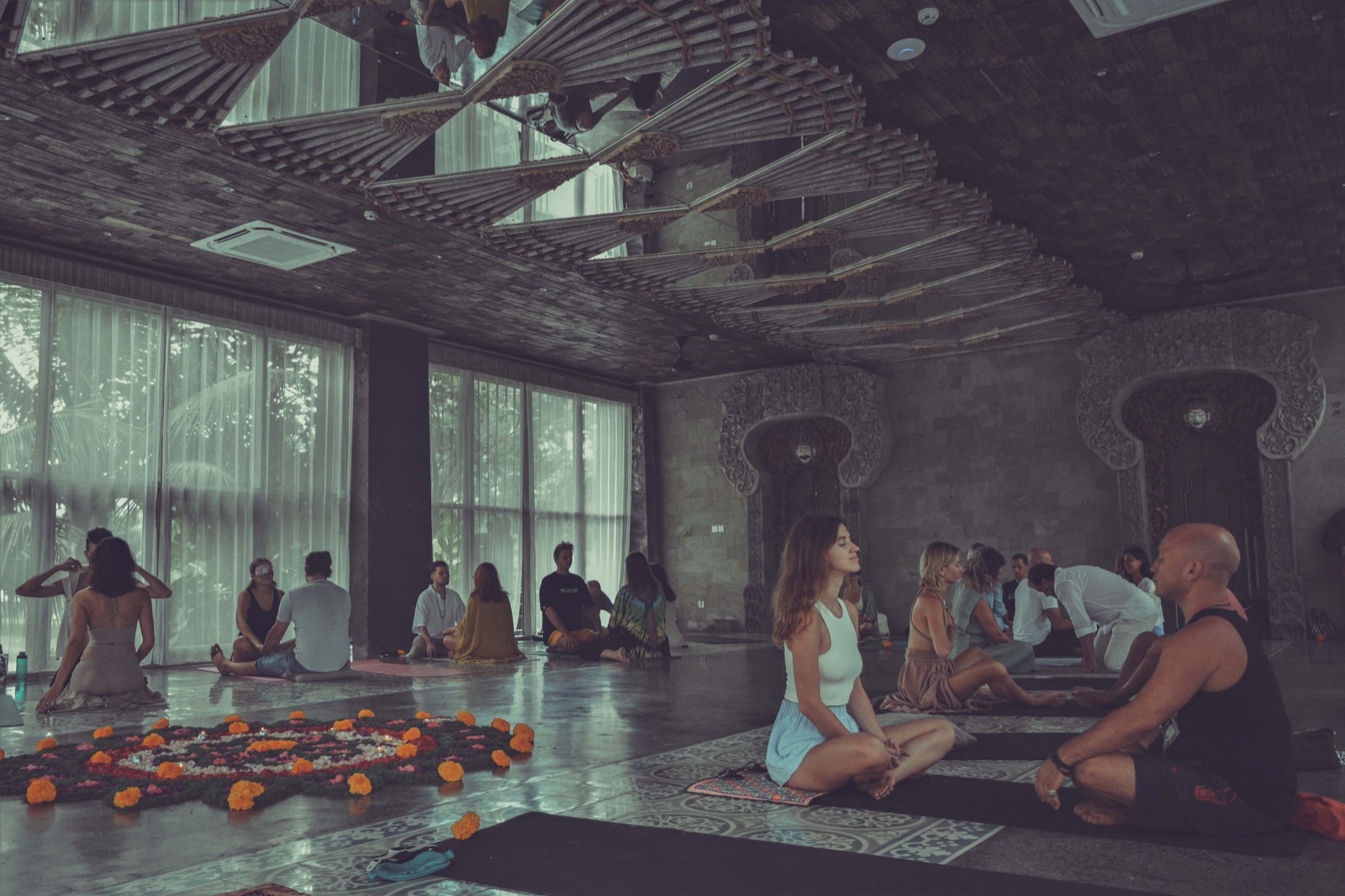
The easiest way to understand Tantra is to try it.
You can begin with a group workshop, come to a Temple Night, explore privately through an individual session or Tantric Massage, or experience Tantra together with your partner.
Choose the format that makes you curious.